
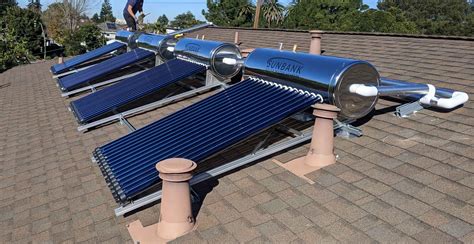
Kenya’s property development sector is entering a new era of energy compliance. On 9th July 2025, the Cabinet Secretary for Energy and Petroleum gazetted the Energy (Solar Water Heating) Regulations, 2025 through Legal Notice No. 115 — a move set to reshape how new developments across the country are designed, approved, and built.
For developers, architects, engineers, and property owners, this is not a distant policy update. It is a practical shift that will touch project design, county approval processes, and contractor selection from this point forward.
What the Regulations Establish
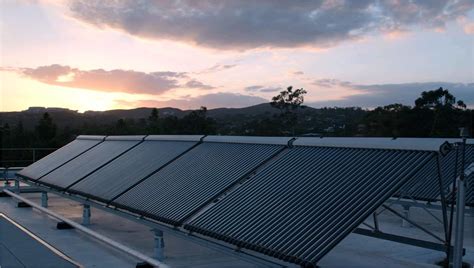
The Regulations create a comprehensive framework governing the promotion, design, installation, operation, repair, and maintenance of solar water heating (SWH) systems in Kenya. Their broader objective is to strengthen quality assurance, safety, and energy efficiency, while accelerating the adoption of renewable energy technologies across the built environment.
Some Background
This is not Kenya’s first attempt at mandating solar water heating. Similar rules were introduced in 2012, but were ultimately annulled after Parliament’s Committee on Delegated Legislation found the penalties disproportionate and implementation weak. The 2025 Regulations are a more carefully calibrated second attempt — with proportionate penalties, direct involvement of County Governments in enforcement, and a stronger emphasis on licensing and technician training. Full compliance is expected by July 2026.
Who the Regulations Cover
The definition of “premises” under the Regulations is deliberately broad. It covers all domestic dwellings and residential houses, commercial buildings such as hotels, lodges, clubs, restaurants, cafeterias, laundries and eating places, health institutions like hospitals, health centres and clinics, and educational institutions such as universities, colleges and boarding schools. On the compliance side, the rules reach across the entire value chain — from manufacturers and importers of SWH systems and components, to contractors and technicians on the supply side, and developers, promoters and property owners on the demand side.
Key Provisions at a Glance
1. Mandatory SWH provisions in new designs. All new premises must now incorporate provisions for solar water heating systems at the design stage. This is not an optional add-on — it is a baseline design requirement.
2. Responsibility across the development chain Developers of housing estates, construction promoters, premises owners, architects, engineers, and other built environment professionals are all required to incorporate SWH provisions into the design of every new development they undertake.
3. County government enforcement: County Governments are now required to enforce compliance with these provisions when reviewing and approving architectural and engineering plans. In practice, this means SWH compliance will become a checkpoint in the plan approval process, not an afterthought addressed post-construction. Within two years of the Regulations coming into force, EPRA is also expected to work with each County Government to set the minimum annual contribution SWH systems must make toward a premises’ hot water demand, calculated against specific hot water demand values set out in the Regulations’ schedules.
4. Compliance with national standards The design, installation, testing, commissioning, repair, and maintenance of SWH systems must align with relevant Kenya Standards, the Building Code, and all applicable health, safety, and environmental laws. Technical requirements go further still — for instance, storage tank capacity must meet minimum thresholds relative to demand, and any conventional back-up water heater (electric or gas) may only supplement, not replace, the solar system.
5. Licensed installers only, in two classes. Anyone undertaking solar water heating installation work must be licensed by the Energy and Petroleum Regulatory Authority (EPRA) as a Solar Water Heating Worker or Contractor. Licensing is split into two classes: Class SHW1, covering standalone or single-unit systems, and Class SHW2, covering centralised systems typically used in larger developments. Licence applications are made electronically to EPRA and must be supported by detailed documentation — company registration records, director identification, tax and permit records, and, where relevant, signed engagement agreements between contractors and licensed workers. Company licences are generally processed within 30 days, and individual worker licences within 60 days, with licences valid for up to three years subject to renewal.
6. Documentation before and after installation. Before any installation begins, a licensed contractor must issue the client a system design declaration covering hot water demand assessment, system specifications, and an installation timeline. On completion, the contractor must issue a completion certificate, “as-built” drawings, a user manual, and disposal instructions.
7. Mandatory warranties: Licensees must provide minimum statutory warranties on completed installations — five years for solar collectors and storage tanks, two years for controllers, and one year for workmanship.
8. Enforcement and penalties EPRA has broad enforcement powers, including inspections, compliance orders, and the ability to suspend or revoke licences. Undertaking SWH installation, manufacture, sale, testing, commissioning, maintenance, or repair without a licence is an offence carrying a fine of up to KES 100,000, imprisonment of up to six months, or both. Other specified breaches attract separate fines (ranging from roughly KES 1,000 per day for ongoing non-compliance up to KES 50,000 per day for more serious infractions), and repeat offenders face double the applicable penalty.
Why This Matters for Stakeholders
For anyone active in Kenya’s property development sector — whether managing a housing estate, overseeing commercial developments, or advising clients on new builds — these Regulations introduce a new layer of due diligence:
- At the design stage: SWH provisions need to be built into architectural and engineering drawings from the outset, not retrofitted later.
- At the approval stage: County governments will be checking for this compliance, so plans lacking SWH provisions risk delays or rejection.
- At the execution stage: Only EPRA-licensed SWH Workers or Contractors should be engaged for installation, testing, and commissioning.
Recommended Next Steps
Property developers, promoters, and built environment professionals should:
- Review current and upcoming project designs for SWH compliance.
- Confirm that engaged contractors hold valid EPRA licensing for SWH work.
- Engage early with county planning departments to understand local enforcement expectations.
- Familiarize design and technical teams with the relevant Kenya Standards and Building Code requirements referenced in the Regulations.
Access the Full Regulations
For full details, the complete text of the Energy (Solar Water Heating) Regulations, 2025 (Legal Notice No. 115) is available here: View the Regulations
Staying ahead of regulatory changes like this is part of building responsibly and sustainably in Kenya’s evolving property market. As always, we encourage all stakeholders to review the full text and factor these requirements into planning from the earliest stages of any new development.